Greens With Grip: Why Winter Brassicas Need Texture in the Glass
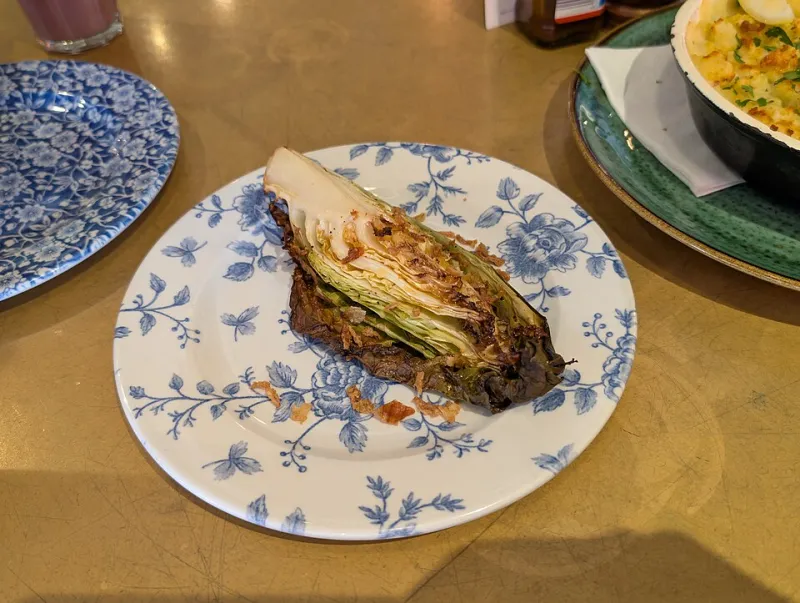
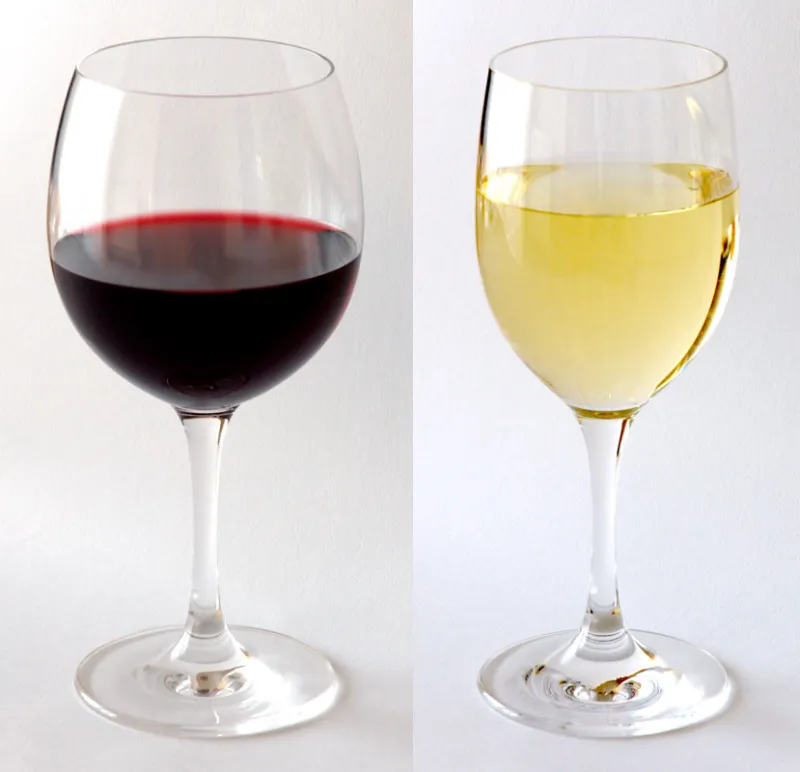
Photo: Andy Li, CC0, via Wikimedia Commons
Winter greens have a reputation problem, and it is not entirely their fault. By the time November settles in, cabbage, sprouts and savoy have spent months being described as worthy. They arrive on the plate carrying the faint moral weight of a vegetable that is good for you, which is hardly the most convivial way to start a dinner. But cooked properly—charred at the edges, glossed with butter, given a little salt and something savoury—they become one of the great pleasures of the season. The mistake is often made in the glass beside them.
The crisp white reflex
The usual instinct is to reach for something sharp and lean. A young Sauvignon, perhaps, or a Picpoul with a reputation for acidity. The logic seems sound: greens can be bitter, so counter them with freshness. In practice, that can feel like adding a second bright light to a room that already has one. The wine’s acidity sharpens the vegetable’s green edge rather than softening it, and the butter, nuts or cheese on the plate are left without anything to meet them.
Winter brassicas are not delicate. They have sweetness, yes, especially after roasting, but they also have a savoury, mineral quality and a faint bitterness that is part of their charm. What they want is a wine with texture: something that can wrap around the butter, echo the char and bring a little weight of its own. Acidity alone is not enough. Body, lees contact and a gentle grip do far more work at the table.
At Vine, our November menu leans into this. The greens are not a side dish apologising for themselves; they are part of the main event, and the wine list is chosen with that in mind. This is not a call to abandon fresh whites altogether. It is a plea to stop treating crispness as the only virtue.
What texture actually does
Texture in wine is a slippery idea, but it is easy enough to taste. It is the difference between a wine that feels thin and one that has a little breadth across the palate. Lees ageing gives a creamy, sometimes bready quality. Oak—used gently—can add a soft, rounded frame. Skin contact brings a gentle tannin, a tea-like grip that works brilliantly with char and bitter leaves. Even a touch of residual sugar can be useful, flattering the sweetness of roasted sprouts and softening their pungency.
The practical effect is that the wine and the food meet in the middle. The butter on the cabbage has something to hold on to. The hazelnuts and aged cheese find a nutty, savoury companion. The green, bitter note in the vegetable is framed rather than amplified. That is the whole point of a wine-led dinner: not a rulebook, but a conversation.
Three bottles to look for
Chenin Blanc is the natural starting point. From the Loire, a sec Vouvray or Savennières brings quince, chamomile and a waxy, lees-driven breadth, with acidity that is cushioned rather than sharp. South African old-vine Chenin can be richer still, with a lovely honeyed edge and enough grip to handle roasted greens. If sprouts are on the table, a Vouvray with a touch of sweetness—just a few grams—can be revelatory.
White Rhône styles are the butter-and-nut option. Viognier, Marsanne and Roussanne blends, or a Saint-Péray, tend to be lower in acidity and higher in texture, with apricot, fennel and a soft, oily mouthfeel. They are not shy wines, but they do not need to be. With a savoy gratin or cabbage cooked in dripping, that generosity is exactly right.
A little skin contact is the wildcard worth ordering. A Friulian Ribolla Gialla, a lightly tannic Pinot Grigio ramato or a gentle Georgian amber wine brings a tea-like grip that loves char, anchovy and chilli. Serve it cool rather than cold—around 10–12°C—so the texture shows without the tannin turning stern.
A November menu, matched
- Charred Hispi with brown butter, hazelnuts and pecorino: a Loire Chenin sec with a year or two of bottle age. The lees and nutty notes pick up the butter and cheese; the acidity keeps the char in check.
- Buttered savoy and leek gratin: a white Rhône. The wine’s soft, oily texture meets the cream and cheese without adding another layer of sharpness.
- Roasted sprouts with chestnuts and sage: off-dry Chenin or a gently textured skin-contact white. The faint sweetness in the wine flatters the sprouts; the grip handles the browned edges.
- Purple sprouting broccoli with anchovy, garlic and chilli: a skin-contact white, lightly chilled. The gentle tannin and savoury notes are made for the anchovy and the char.
- Cabbage cooked in dripping with mustard and thyme: a richer white Rhône or a lightly oxidative Chenin. Mustard is a tricky customer, but texture and a touch of bitterness in the wine can meet it head-on.
The last word: butter is a wine decision
It is worth remembering that the cooking method matters as much as the vegetable. Raw or barely blanched greens might still suit something lean and bright. But once butter, cream, cheese, nuts or char enter the picture, the wine needs to roll up its sleeves. Winter greens are not a test of acidity. They are a call for texture, and the bottles that answer it are some of the most satisfying of the season.
So next time the cabbage arrives at the table, do not reach automatically for the crispest thing in the fridge. Look for a wine with a little more to say. The greens will thank you, and the butter certainly will.