A White Wine November: Five Bottles That Don't Flinch at the Cold
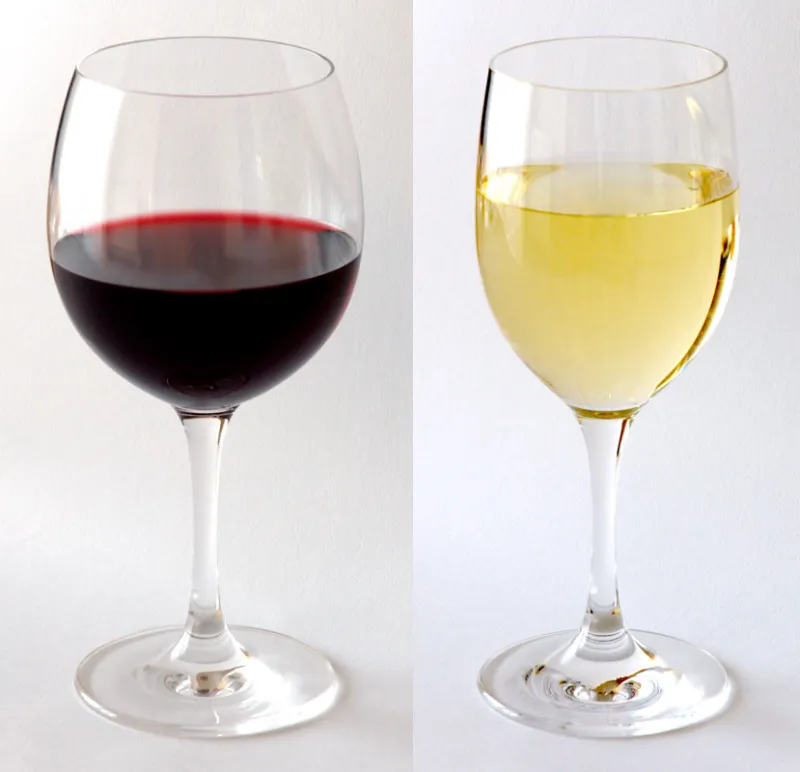
Photo: André Karwath, CC BY-SA 2.5, via Wikimedia Commons
There is a quiet assumption in British drinking that white wine belongs to the warm months. A glass of something pale on a sunny terrace, then the bottle gets pushed to the back of the fridge come October and stays there until someone remembers it in April. It is an understandable habit, but it is not a very useful one. Weight, texture and acidity are not determined by colour, and the dark months are exactly when a well-chosen white earns its place at the table.
Call it a winter white if you like. The phrase is a bit of shorthand, not a gimmick — a way of saying: this is a white with enough body and structure to stand up to the food we actually cook between November and February. That means roast fish with butter, celeriac in various forms, creamy sauces, squash, parsnips, mushrooms, and a wedge of hard cheese at the end. It also means serving the wine a little less cold than you might in July. More on that below.
Why 'Winter White' Is a Useful Label, Not a Marketing Trick
A winter white is not simply a white wine you drink in winter. It is a white wine with a bit of gravitas: texture from lees ageing, a touch of oak or skin contact, enough alcohol to carry flavour, and acidity that keeps the whole thing fresh rather than flabby. Think of the difference between a light, zippy Vinho Verde and a Savennières. Both are white. Only one of them wants to sit next to a plate of roast cod and buttered leeks.
The useful part of the category is that it gives you a way to talk about structure without getting bogged down in grape names. It also nudges you away from the idea that white wine must be served ice-cold. A Chablis at 8°C is bracing; at 11°C it is generous. The difference matters when there is a bowl of something hot and savoury in front of you.
Five Bottles That Hold Their Own
1. Chablis, or an unoaked Chardonnay with a little age
Chablis is the obvious starting point, and obvious is not a bad thing when it works. Look for a premier cru if the budget allows, or a village wine with a couple of years on it. The texture comes from lees ageing rather than new oak, so you get brightness alongside a certain creaminess. Drink it with roast cod, celeriac remoulade, or a plate of Comté. The acidity cuts through butter and the texture meets the fish halfway.
2. Dry Chenin Blanc
Chenin from Vouvray, Savennières or the Swartland is one of the great winter whites. It has a waxy, almost lanolin texture, plenty of acidity, and a tendency to taste of quince and honey without being sweet. It is superb with roast chicken, a root vegetable gratin, or a slice of Montgomery cheddar. If you are cooking something with tarragon, this is the bottle to open.
3. Dry Riesling
German trocken, Alsace, or Clare Valley — the point is dryness and acidity. Riesling has a way of making rich food taste lighter, which is a useful trick in December. Try it with pork chops and apple, spiced squash, or smoked fish. It is also one of the few wines that genuinely works with a bit of chilli, should your winter cooking head in that direction.
4. A white Rhône blend
Viognier, Roussanne and Marsanne make whites with weight and a faintly savoury edge. They are not shy. Open one with a creamy fish pie, a mushroom risotto, or anything involving squash and sage. The alcohol is usually a touch higher here, so keep the serving temperature modest — a cool room is fine, the fridge is not.
5. Furmint, or a textured skin-contact white
Furmint from Tokaj is dry, smoky and structured, with acidity that keeps it upright. It is excellent with hard cheese, roast parsnips, and game birds. If you prefer something more left-field, a lightly skin-contact white — an orange wine, if you must — can do similar work. Look for one with grip rather than funk, and serve it with a slab of comté or a plate of roasted roots.
A Short Flight for a Vine Tasting Evening
If you are putting together a by-the-glass flight, keep it to five small pours of about 50ml each. Order them from lightest to most textured: Chablis, Chenin, Riesling, white Rhône, Furmint. Serve them at around 10–12°C rather than straight from the fridge, and put a single plate of snacks in the middle of the table: sliced Comté, a few smoked almonds, some thin slices of pear, and a handful of celeriac crisps. The point is not to match every wine perfectly. The point is to show how the same plate changes depending on what is in your glass.
A flight like this works best when nobody is taking notes. Let people say what they taste, or don't. The wine will do the talking.
A Note on Serving
Take the bottle out of the fridge fifteen minutes before you pour. Use a decent-sized glass, not a tiny one. And don't be afraid to finish the bottle over two evenings — a good winter white often tastes better on day two, when the chill has gone and the texture has settled.
The dark months do not have to be a red-wine monopoly. A white with a bit of weight is one of the most useful things you can have on the table. It is not a contradiction. It is just dinner.