Steam on the Windows, Sherry in the Glass: A Stir-Up Sunday That Tastes Right
Stir-Up Sunday has a lovely trick of arriving without fanfare. The Christmas machine is already in full swing, the shops are playing the same songs they have played since October, and yet this particular Sunday is still a kitchen ritual rather than a performance. In 2026 it falls on 22 November. There is a pudding to assemble, a wish to make, and a long, steamy afternoon ahead. It is not a day that demands a wine list. It asks for one good bottle, opened early and poured modestly.
That is the spirit at Vine, anyway. Seasonal plates, thoughtful wines, convivial nights — but not necessarily all at once. Stir-Up Sunday is proof that conviviality can be quiet. The pudding does the talking. Your job is to make sure the glass beside the hob is worth the cook's attention.
First, what the pudding is actually asking for
Christmas pudding is not a subtle dessert. It is dense with dried fruit, suet, citrus peel, spice, treacle and often a good slug of something dark. It arrives with custard, brandy butter or cream, and it can flatten a wine in seconds. The usual mistake is to reach for something sweet and nothing else. Sugar on sugar quickly becomes a slog.
What the pudding wants is contrast: freshness, acidity, a savoury edge, a little bitterness or oxidation. That is why fortified wines work so well here. They have sweetness, yes, but they also have structure, nuttiness and a tang that keeps the whole mouthful moving. A dry, tannic red is usually the wrong tool. With pudding, it can taste thin and metallic. A very sweet liqueur is the other dead end: delicious for a sip, exhausting after three.
Choose one bottle with a bit of character and serve it in small measures. This is not a tasting. It is a stirring.
The case for a small glass of something fortified
Fortified wine has an old-fashioned reputation, which is part of its charm. It also has practicality on its side. An open bottle of tawny port, Madeira or sherry will survive far longer than an open white or red. That matters on a day when the kitchen is busy and nobody wants to be precious about what is left in the bottle.
The other advantage is intensity. You can pour 50ml of something rich and feel properly looked after. A big glass of dry red would be too much beside pudding; a small glass of tawny is exactly enough. Keep the measures modest and the mood generous.
At Vine, we tend to talk about the glass that earns its place at the table. This is one of those. It does not need to be expensive. It needs to be fresh, well kept and served at the right temperature.
Three bottles that earn their place
A ten-year-old tawny port is the easiest place to start. Not ruby, not vintage — tawny. It has spent time in wood, so it tastes of walnuts, orange peel, caramel and dried figs rather than raw fruit. Serve it cool, around 14–16C, which is easy enough in a November kitchen. It is the least fussy match for custard and brandy butter, and it will keep for several weeks once opened.
Pedro Ximénez sherry is the pudding in liquid form: raisins, figs, treacle and coffee. It is very sweet, so pour it small and serve it lightly cool. A steamy kitchen will warm it quickly, and warm PX can feel syrupy. Treat it as a spoonful rather than a glassful. It is wonderful with the pudding itself, and rather good with a piece of dark chocolate afterwards.
Bual Madeira is the one for anyone who finds dessert wines cloying. It has caramel and walnut richness, but a streak of acidity and a saline tang that keeps it lively. Serve it cool. It loves dried fruit and citrus peel, and it is almost absurdly resilient once opened. If you want one bottle that will still be good at Christmas, this is a safe bet.
If you really want a red, look for a fortified Grenache from Banyuls or Maury. Dark cherry, cocoa, a little sweetness and enough freshness to handle the pudding. Serve it slightly cool. A dry Douro red can work if it is generous and fruit-forward, but tannin and Christmas pudding are not natural allies.
The steamy kitchen problem
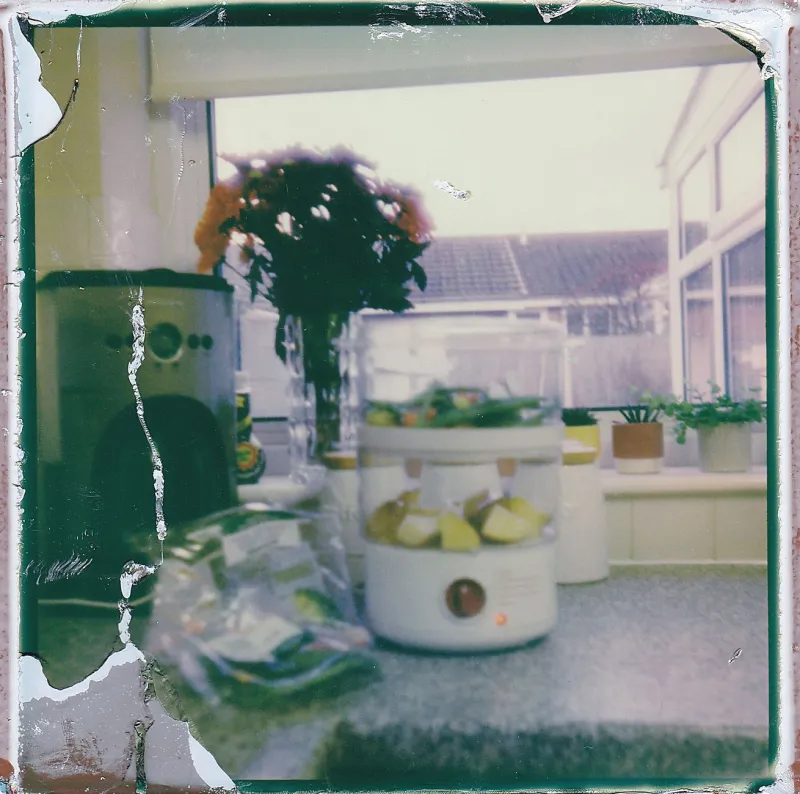
A kitchen on Stir-Up Sunday is not a wine cellar. It is hot, damp and smelling of spice. Do not park the bottle next to the hob. Heat makes alcohol shout and aroma go flat. Keep the bottle in a cooler room, a hallway or a bucket if you have one, and bring it to the table when you pour.
Use small glasses. A proper wine glass is fine, but pour 50–75ml rather than filling it. Fortified wine is strong, and the point is a glass with pudding, not a session. Have water on the table too, and something salty nearby: a few nuts, a piece of cheese, a plain biscuit. Sweetness needs a savoury anchor.
And resist the scented candle. The kitchen already has the best perfume it will have all year. Let the wine have some room.
The convivial table
Stir-Up Sunday is not a day for a flight of wines or a lecture on oxidation. It is a day for everyone to take a turn with the spoon, make a wish, and get out of the cook's way. The bottle should support that. Open it when the pudding goes in to steam, pour the cook first, and let the afternoon unfold.
The pudding will keep. The memory of a calm, happy kitchen will keep longer. One good bottle, a small glass, a steamy window and a table full of people — that is the whole point. No performance required.