Put Down the Espresso: Why Dinner Deserves a Fortified Finish
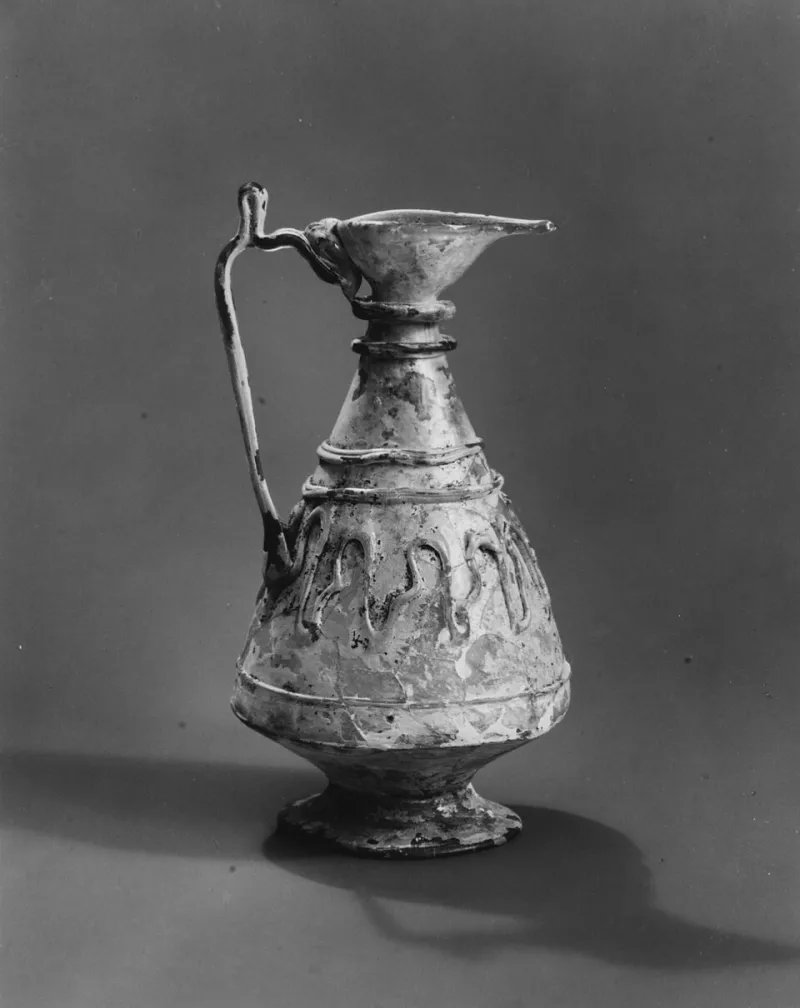
Photo: Unknown, CC0, via Wikimedia Commons
The coffee arrives before anyone has asked for it. The bill follows. Somewhere between the last forkful of pudding and the card machine, the British dinner out loses its final act. We have become very good at the middle of a meal and strangely shy about the end.
Fortified wine should be the answer. Not a trolley, not a speech, not a dusty bottle produced with a raised eyebrow. A small glass of madeira, tawny port, sherry or vermouth is one of the most civilised things a restaurant can offer. It is also one of the least requested. That is not because it is difficult. It is because we have taught guests to see it as a ceremony rather than a drink.
The bottle we never open
Fortified wine has an image problem in the UK. It is Christmas. It is an uncle's sideboard. It is a sticky brown liquid in a schooner, served warm, remembered vaguely and avoided ever since. The words 'dessert wine' do not help. They sound like a course, a commitment, a test of sweet tooth and sobriety at the exact moment when the guest is thinking about the last train.
There is also the commercial fear. A bottle of madeira is expensive, the argument goes, and a restaurant cannot sell it by the glass without waste. But a 750ml bottle gives ten to fifteen small pours. A 50ml serve at 20% ABV is roughly one unit — less alcohol than a large glass of wine. The economics are not the problem. The framing is.
Madeira: the acid that cuts through
Madeira is the most useful fortified wine in the dining room because it has acidity. It is not simply sweet. A five-year-old Sercial, served cool, is dry, saline and piercing. It is superb with a treacle tart, because the acidity stops the pudding from becoming a mouthful of sugar. A Bual, richer and rounder, is the better match for blue cheese and walnuts. A Malmsey is for dark chocolate, or for anyone who wants the evening to go on a little longer.
Madeira also keeps. An open bottle will hold for weeks, which makes it ideal for a restaurant that wants to offer something interesting without opening a case. A small glass of madeira is not a pudding. It is a punctuation mark with a backbone.
Tawny port, not vintage
Vintage port is a special occasion. Ten-year-old tawny is a Tuesday. Serve it lightly chilled — 14–16°C — and it becomes fresher, drier and more food-friendly than its reputation suggests. It works with almonds, dark chocolate, a slice of quince, a wedge of sheep's cheese. It does not need to be December. It needs to be open.
The same is true of sherry. A palo cortado with a piece of Comté is one of the great underrated pairings in the UK. An amontillado beside a bowl of salted almonds is a better end to dinner than most puddings. A chilled vermouth with a strip of orange peel and a biscuit is not a cocktail waiting to happen. It is fortified wine with a bittersweet edge, and it is exactly what a long meal needs at the end.
Service without ceremony
The problem is not the wine. It is the theatre. A dessert wine list, separate from the main list, presented after the pudding menu, feels like an exam. A trolley feels like a tax. A server who says 'I'll leave you to think about it' has already lost the sale.
The alternative is simple. Offer 50ml or 75ml in a small copita. Price it between £4 and £8. List it beside the puddings, on the same page, in the same type. Train staff to say one sentence: 'There is a five-year-old madeira open; it is lovely with the tart.' Offer it with cheese as an alternative to pudding, not as an extra. Keep the open bottle cool. Do not make it a ceremony. Make it a glass.
Restaurants that do this find something interesting happens. The table stays for another fifteen minutes. The average spend rises without anyone feeling pushed. The coffee still gets ordered, but it is no longer the only full stop available.
The practical case
Fortified wine is good for the guest and good for the restaurant. It is low-volume, high-margin and long-lived. It gives a solo diner a way to finish without opening a bottle. It gives a couple something to share without a second bottle of wine. It gives the kitchen a way to extend the meal without sending out another course.
And it gives the evening a shape. A small glass of tawny port after a Sunday roast, a madeira with a treacle tart, a vermouth with the last of the cheese: these are not grand gestures. They are the kind of small, thoughtful details that make a restaurant feel generous.
Order the espresso if you want one. But let the last glass be a choice, not an afterthought. Dinner deserves a fortified finish.