Ladle First, Then the Glass: Wine for a Pot That's Had All Day
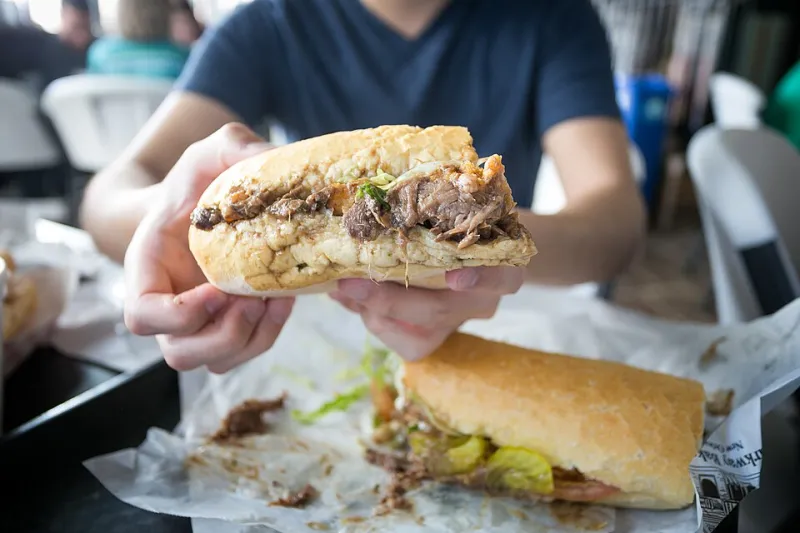
Photo: City Foodsters, CC BY 2.0, via Wikimedia Commons
Late November has a way of making the hob the most important piece of equipment in the kitchen. Something goes on at noon — a pot of beef and barley, perhaps, or lentils with roots, or chicken left to murmur with leeks — and by early evening the whole house smells like an answer to the dark. The instinct, understandably, is to pull the biggest red you own. Resist it, or at least question it. A long-simmered supper has already done the work of building depth. What it often wants from the glass is not more weight but a bit of lift.
Start with the pot, not the label
Slow cooking concentrates flavour. It also concentrates salt, sweetness and texture, especially when pulses or grains are involved. That changes the arithmetic of a wine match. A very ripe, heavily oaked red can taste broad and hot next to a bowl of beef and barley; a wine with freshness and a little structure tends to keep the palate awake between spoonfuls. Think of the bottle as a garnish with a job: cut through, refresh, and leave you ready for the next mouthful.
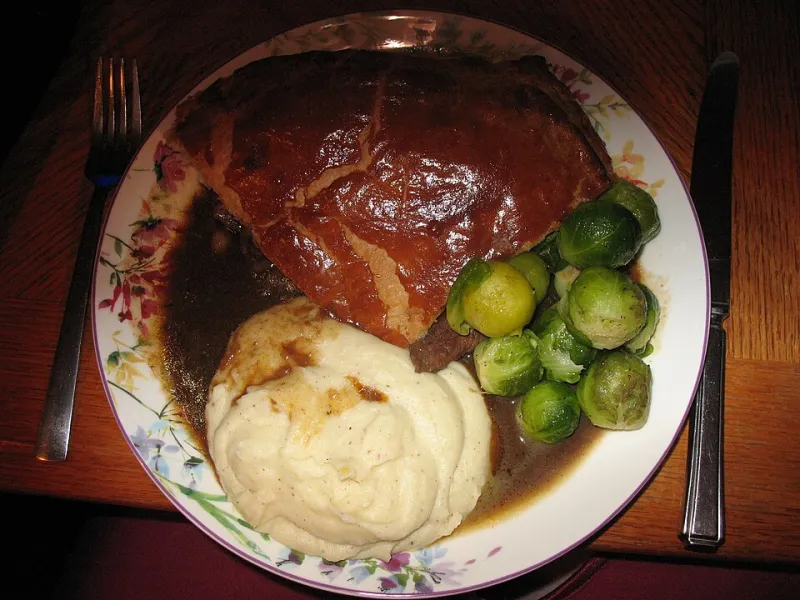
Beef and barley is a good place to begin because it is sturdy without being clumsy. The barley gives a nutty, almost porridge-like body, and the beef brings savoury depth. A cool-climate Cabernet Franc, a young Barbera or a peppery Syrah from the northern Rhône all work well. They have enough tannin to meet the meat, but they do not smother the pot. Serve them cool — around 15–16°C is plenty. Twenty minutes on a cold windowsill will do more for the bottle than an hour next to the radiator.
Lentil and root vegetable suppers are often treated as an afterthought in wine terms, which is a shame. Earthy lentils, sweet carrot and parsnip, a little smoked paprika or a spoon of mustard: this is food that can take texture as much as flavour. A dry Chenin Blanc with a bit of body is a lovely match, as is a lightly chilled Gamay or a skin-contact white with gentle grip. If the pot has a smoky edge, a dry fino Sherry is worth opening — it is bracing, savoury and very good with pulses. Serve whites at about 10–12°C and light reds at 13–14°C.
Chicken with leeks is the quiet one of the group, and it rewards a quieter pour. Leeks turn sweet and soft over time, and if there is butter or cream in the pot, the wine needs freshness without shouting. A Chardonnay with modest oak, a dry Chenin or a cool-climate Pinot Noir all fit. If there is tarragon or mustard in the mix, lean towards the white; if the pot is simple and savoury, the Pinot will feel generous without being heavy.
Brightness is not weakness
There is a persistent idea that winter food demands the most powerful wine in the rack. In practice, the opposite is often true. Long cooking makes food taste richer and more rounded; a wine with acidity keeps the whole meal from turning into one long, low note. That does not mean the wine should be thin. Structure can come from tannin, from skin contact, from lees ageing or simply from concentrated fruit. The point is balance, not brawn.
Serving temperature matters more than most of us admit. A red that feels plush at 17°C can feel soupy at 22°C, especially alongside a salty braise. Whites that are too cold lose their perfume; light reds that are too warm lose their snap. In a UK kitchen in November, the answer is usually the coolest room in the house and a short spell there before pouring. No ceremony required.
What to open with the leftovers
Leftovers are not a lesser meal. They are the same supper with more time on its side, and often a little more salt and body. The braise thickens; the pulses soften further; the flavours knit. This is the moment for something fresh and uncomplicated rather than another blockbuster. A crisp white, a fino Sherry, a half-bottle of Gamay or a dry rosé can be exactly right while you reheat a bowl for lunch. If the leftover beef and barley becomes a pie or a soup, a light red with good acidity will do more than a heavy one.
At Vine, we tend to think the pot should stay at the centre of the table and the wine should be passed without too much fuss. A slow-cooked supper is already generous. The right bottle does not need to compete with it; it just needs to keep pace — bright enough to cut through, structured enough to matter, and easy enough to pour a second glass without thinking twice.