Chopping, Steaming, Rewarding: Three Wines for a Spiced Afternoon
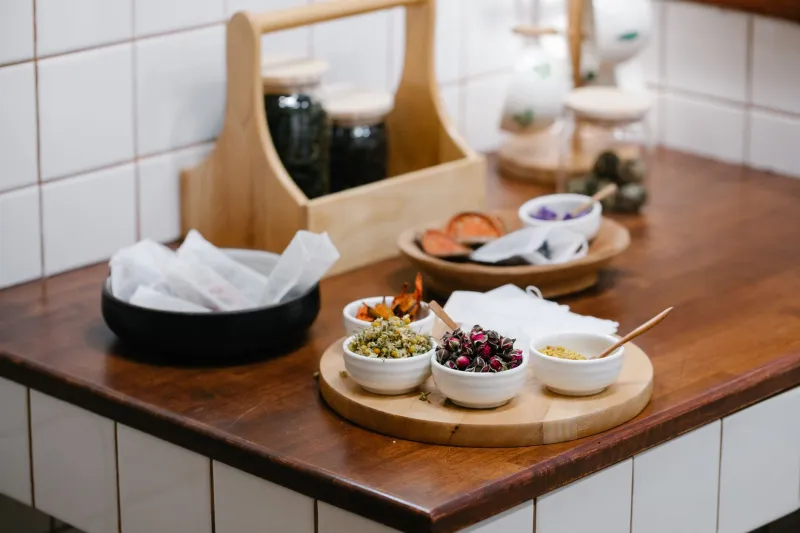
Stir-Up Sunday falls on 22 November in 2026, the last Sunday before Advent, and it arrives with a very particular set of kitchen smells. There is stout and dark sugar, orange zest and mixed spice, suet if you are traditional and butter if you are not. The pudding steams for hours. The windows fog. Someone puts the radio on and someone else says the mixture needs more brandy. It is a lovely, unhurried sort of afternoon, and it deserves a glass or three.
At Vine, we are not going to turn pudding-making into a tasting exam. You do not need a flight, a scoresheet or three decanters lined up like a chemistry set. You need bottles that meet the mood of each stage: something bright while you chop, something with weight while the steamer murmurs, and a small sweet glass when the work is done. Think of them as companions, not pairings.
First bottle: something bright for the chopping board
The opening stage is sticky and bitty. Currants, raisins, candied peel, chopped almonds, perhaps a grated apple. There is a lot of handling and a lot of small bowls. What you want here is a wine that clears the palate rather than competes with the fruit: dry, brisk, maybe a little saline or nutty.
A fino sherry or a manzanilla is the bottle I would reach for. Serve it cold, in a small wine glass, and keep a handful of salted almonds nearby. The dry, savoury edge is exactly right against candied peel, and it stops the cook from feeling as if they have already eaten pudding before the pudding exists. If sherry feels like a leap for a Sunday afternoon, a Picpoul de Pinet, a Muscadet or a dry English white will do the same job. Keep it lean and cool. Avoid anything oaky or overly fruited; it muddles the spice and makes the chopping feel like hard work.
This is also the bottle to pour for anyone who wanders into the kitchen offering to help. A small glass of something dry makes the task of chopping peel feel less like a chore and more like the start of something.
Second bottle: something with weight for the steamer
Once the pudding is mixed, spooned into its basin and set over simmering water, the afternoon changes pace. There is nothing to do but wait, check the water and enjoy the smell. This is when a bottle with a bit of weight earns its place.
A red from the Rhône or the Douro would be my choice, or a southern Italian red with dark fruit and a savoury edge. You want plums and figs, a little pepper, enough grip to stand up to the spice but not so much tannin that it feels like a lecture. This is not the moment for a delicate Pinot Noir. The pudding is rich and dark; the wine should have something to say back. Serve it slightly cool, especially in a warm kitchen, and let it sit on the counter while you check the water level.
If you would rather stay with white, a rich Rhône white or an amber wine could work, but there is something pleasing about a red at this point in the day. It feels like a small fire in the glass while the steamer does its slow work. The pudding itself has stout in it, so avoid a hoppy beer on the side; wine carries the spice more cleanly.
Third bottle: a small sweet glass for the cook
When the pudding is finally out and cooling, and the kitchen looks as if a cupboard has exploded, the cook deserves a reward. Not a dessert course, not a full glass of something syrupy, but a small, thoughtful nip.
Pedro Ximénez sherry is the obvious luxury: dark, raisiny, almost like liquid pudding. A ten-year tawny Port is a gentler option, with nuts and caramel and a clean finish. A sweet Madeira brings acidity, which matters if you have been nibbling candied peel all afternoon. Whichever you choose, pour it small. Two ounces is plenty. Drink it while the pudding cools, with a biscuit or nothing at all, and let the afternoon settle.
This is the glass that says the work is done. It is not about matching the pudding you will eat in December. It is about marking the moment when the kitchen finally goes quiet.
The order is not a rule
You do not need three bottles open at once. Open the dry one for chopping and cork the rest. Move to the red when the steamer starts. Save the sweet glass for the end, or for the person who has done the washing up. If you are cooking with friends, pour the first glass for everyone and let the afternoon find its own rhythm.
Stir-Up Sunday is a fine excuse to treat the kitchen as a dining room, even if dinner is hours away and the table is covered in flour. Three bottles, three stages, no fuss. That is the sort of wine-led afternoon we like at Vine: generous, seasonal and just convivial enough to make the steam worthwhile.