Skip the Ballot: A Calm Approach to Christmas Wine
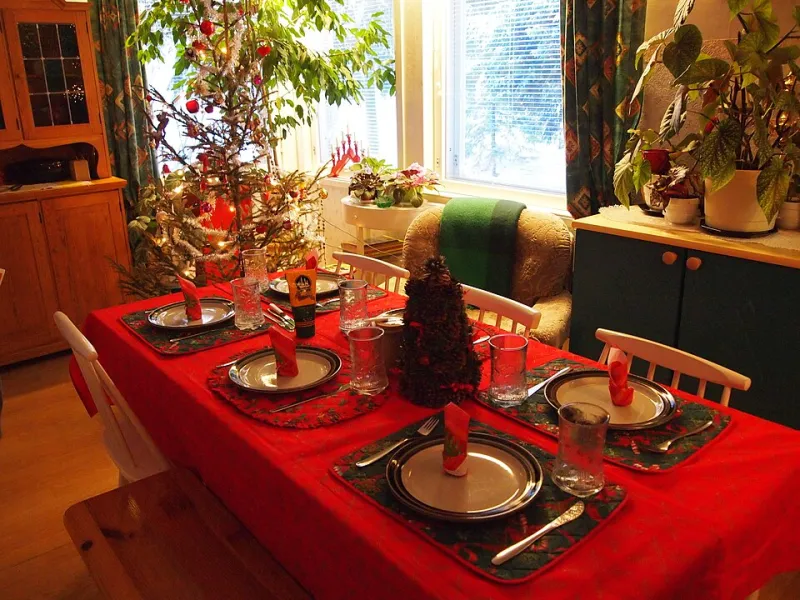
Photo: Miia Ranta from Finland, CC BY-SA 2.0, via Wikimedia Commons
Christmas lunch should feel generous, not like a tasting flight with a side of roast bird. Yet every year, hosts end up canvassing the table: Uncle Ray only drinks red, someone's new partner is off Chardonnay, and a cousin has read half a wine book and would like everyone to know it. The result is usually four half-empty bottles, a lot of indecision, and a host who spends the meal worrying about the fridge.
Here is the shortcut we use at Vine Restaurant when a mixed-age table needs to be carried from smoked salmon to Christmas pudding without a committee meeting. Buy two bottles that can do a lot of work, and a third only if you fancy a flourish. Then stop asking.
Start with the food, not the preferences
The Christmas table is a tricky customer. Smoked salmon wants freshness and a little acidity. Roast turkey is mild and lean, so it resents a tannic red. Pigs in blankets bring salt and fat. Sprouts bring a green, bitter edge that can make heavy wines taste even heavier. Christmas pudding is sweet, spiced and rich, and it will flatten a bone-dry white.
That does not mean you need a different wine for every course. It means you need bottles with acidity, moderate alcohol and enough generosity to handle a plate that is doing several things at once. Ask one practical question before you shop: does anyone have a genuine dislike or allergy? Then make your decision like an adult and get on with the shopping.
Bottle one: a white with a spine
For the first half of the meal, look for a white with real acidity and no heavy oak. A dry Riesling is the sommelier's quiet answer to almost everything: it cuts through smoked salmon, stands up to sprouts, and has enough perfume to feel festive without shouting. If Riesling feels like a step too far for your table, Chablis or a crisp English still white will do a similar job.
If you want one bottle to stretch from starter to pudding, choose an off-dry Riesling rather than bone dry. A touch of sweetness makes it kinder to Christmas pudding and takes the metallic edge off sprouts. It will not taste sweet with the turkey, because the food is savoury and the acidity keeps things tidy. This is the sort of practical flexibility that makes a host's life easier than a lecture about terroir.
Bottle two: a red that knows when to step back
The red on a Christmas table should be fresh, moderate in tannin and happy at a cool room temperature. Pinot Noir is the obvious choice, but Cru Beaujolais is often better value and even more convivial. Fleurie or a good Bourgogne Rouge will glide past turkey, stuffing and pigs in blankets without leaving a dry, dusty feeling in the mouth.
What you are avoiding is the big, brooding red that tastes magnificent with a January steak and absolutely bulldozes a plate of sprouts and bread sauce. Keep the alcohol in check, serve it slightly cool, and do not apologise for it not being a blockbuster. Christmas is a marathon, not a tannin contest.
Bottle three: the sweet finish, kept small
If you want a third bottle, make it a half-bottle and make it sweet. A tawny port, a Muscat, or a generous off-dry white can handle Christmas pudding and mince pies without demanding a speech. The point is not to build a flight. The point is to have something pleasing to pour when the pudding arrives and everyone is already happily full.
This is also where hosts tend to overspend and overcomplicate. You do not need a dessert wine, a cheese wine and a backup red. One small sweet thing is enough. If your main white is off-dry, you can even skip the third bottle entirely and let it carry the pudding. That is not laziness. It is editing.
The stop-asking rule
Once you have your two or three bottles, stop collecting opinions. The moment you ask six people what they like, you have created a committee, and committees do not make Christmas lunch better. They make it later, more expensive and slightly tense.
Instead, buy with the food in mind, chill the white properly, serve the red a little cooler than you think, and put both on the table. If someone would rather have a beer, give them a beer. If someone is not drinking, make sure the sparkling water is good and the glasses are clean. Generosity is a decision, not a survey.
Serving without a seminar
You do not need to decant anything unless you enjoy doing it. You do not need to explain the wine unless someone asks. Open the white just before you sit down, or leave it in the fridge door for twenty minutes if it is too cold. Red belongs at around fifteen or sixteen degrees, which in a British December usually means bringing it into the kitchen an hour before lunch rather than parking it beside the radiator.
And if you only remember one thing, remember this: Christmas lunch is not a wine exam. It is a long, noisy meal with people you have chosen to feed. Two good bottles with enough acidity and not too much ambition will do more for the table than six bottles and a tasting sheet. At Vine Restaurant, we would rather pour something that keeps the conversation going than something that demands everyone stop and admire it.
So skip the ballot. Buy well, keep it simple, and let the roast bird get on with being the centre of attention.