Cold Ham, Pickles and No Particular Plan: Six Bottles for the Week Between

Photo: Christmas cheese board with port, cold ham and pickles on a long table, via wallpapers.com
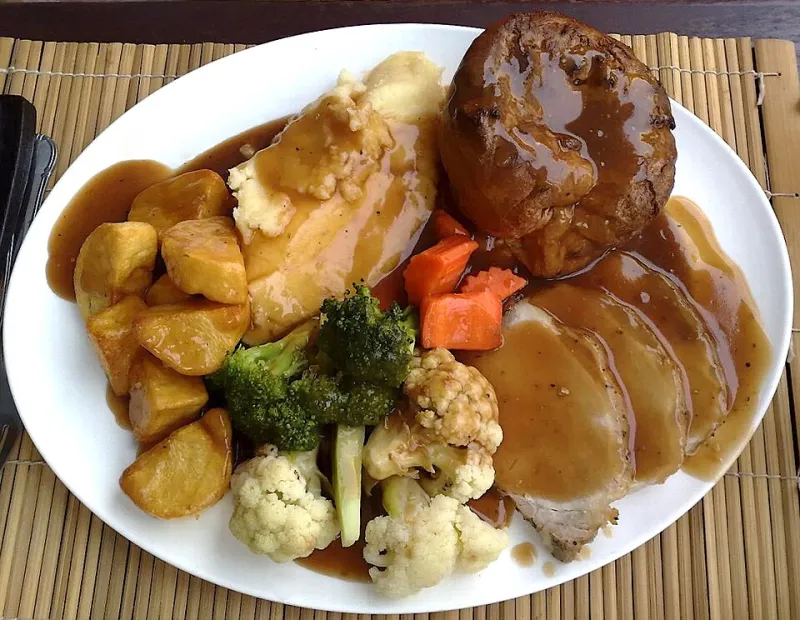
There is a particular week in the British calendar when the rules quietly fall away. Nobody is quite sure what day it is. Lunch happens twice, or not at all. The fridge is a Jenga tower of foil parcels, the cheese board has been out since Boxing Day and has developed a crust, and someone is eating a mince pie standing up at four in the afternoon because it's there.
This is not a week for a menu. It is a week for grazing, for long afternoons at a table that never quite gets cleared, for cold ham and pickles and whatever's left of the roast. And it is emphatically not a week for opening anything that needs you to pay attention. What follows are six bottles that do the opposite: they hold their own against a fridge-foraged plate and make no demands of anybody.
Open this first
Before anything else, put something savoury and modest on the table — a fino or manzanilla sherry, served properly cold in a wine glass with a small pour. It's the best thing in the world with cold ham, pickles, olives, a handful of crisps and a slice of something left over from yesterday. It is dry and salty and low enough in alcohol that the second glass doesn't end the afternoon.
If you want more weight and a nuttier edge, an amontillado will see you through the whole cheese board. Note that a fino dies within a day or two of opening, so drink it — this is not the week for cellaring half a bottle.
Bottle two: Riesling, for the fridge raid
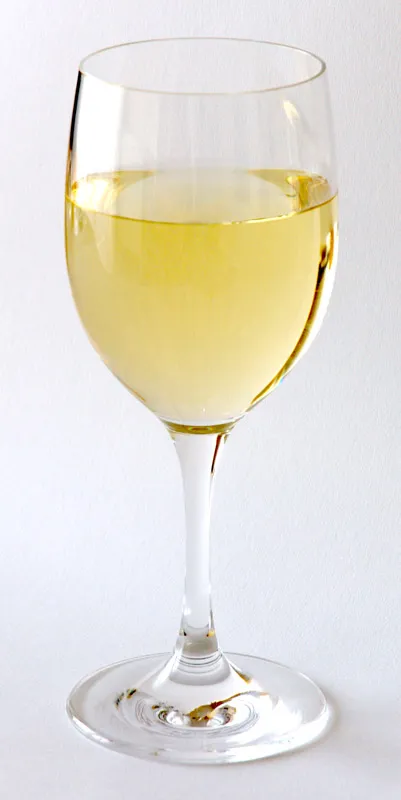
A dry or just-off-dry Riesling — a Mosel Kabinett, something from Clare Valley, an Alsace if you're feeling generous — is the most useful white you can have in the house this week. Acidity cuts through the fat of cold roast meat, the salt of pickles and the richness of anything involving mayonnaise; a touch of sweetness is exactly what chutney and cranberry sauce are asking for. Serve it properly cold, 8-10°C, and don't overthink the pairing. It will work with almost everything on the counter.
Bottle three: a white with a bit of shoulder
Leftover roast turkey or chicken is dry, and it needs a white with some texture rather than another crisp little thing. Go for Loire Chenin — a Vouvray sec or a Savennières — or a white Burgundy, or a white Rhône if the leftovers have drifted towards stuffing and gravy. Around 10-12°C. This is the bottle that makes a plate of cold roast look like a decision rather than an accident.
Bottle four: the red you put in the fridge
This is the afternoon bottle. Gamay — a Beaujolais-Villages, or a cru like Fleurie or Morgon if you fancy it — twenty minutes in the fridge and served at 13-14°C. It's juicy enough for cold ham and pork pie, soft enough that nobody has to think about tannin, and light enough that a glass at three in the afternoon is a pleasure rather than a commitment. Frappato or a light Blaufränkisch do the same job if you want a change.
Bottle five: a proper red, if there's beef
If there's leftover roast beef in the fridge, or you're doing the cold cuts properly, open something with a little more structure. A Pinot Noir — Burgundy or a cool-climate New World example — or a Cabernet Franc from the Loire. Enough grip for the meat, not so much that it fights with pickle and mustard. Serve it at 15-16°C, which in a warm sitting room means fifteen minutes somewhere cool first, and open it an hour ahead. If it's an older bottle, decant it for the sediment and nothing else.
Bottle six: the cheese and the long goodbyes
Finish with something sweet and fortified, because this is the week for it. A ten-year tawny port is the safest and most convivial choice: nuts, caramel, dried fruit, and it loves an aged cheddar, a wedge of Stilton and a spoon of quince. A Madeira — Verdelho or Bual — will outlast everything else on the table and, once opened, will keep for weeks, which is precisely the point of this particular week. A Jurançon or a Maury if you'd rather stay French. Serve it lightly cool, in small glasses, and stop worrying about the order.
Order of play, and what to do with the dregs
Start with the sherry, move to the Riesling, then the textured white, then the chilled red, then the proper red, and end on the fortified. But don't be strict about it. Keep two bottles in a bucket of cold water on the side, one on the table, and let people pour what they want — this is the one week of the year when a free-for-all is the correct answer.
As for the half-finished bottles: whites and light reds back in the fridge with a stopper, fuller reds on the counter, fortified in the cupboard where nobody will knock it over. Anything that's been open too long goes into the gravy, or into a pan with the leftover ham. And the last of the tawny, on a dark afternoon with the tree still up and nowhere to be, is one of the better glasses of the year.
Vine Restaurant is open in that week between, by the way, for anyone who has reached the end of the leftovers and wants someone else to do the carving.