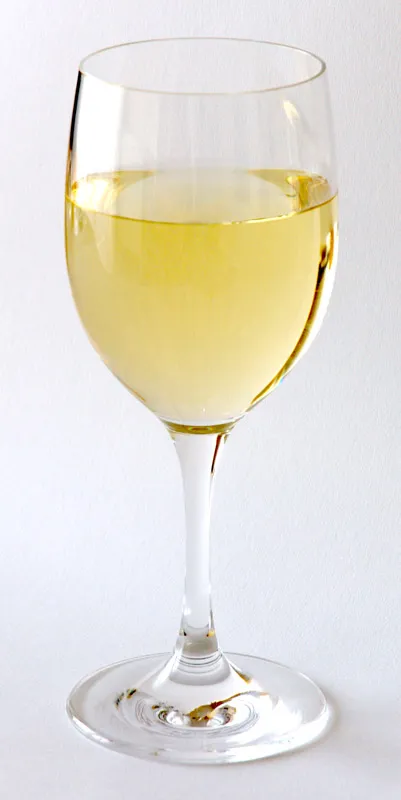
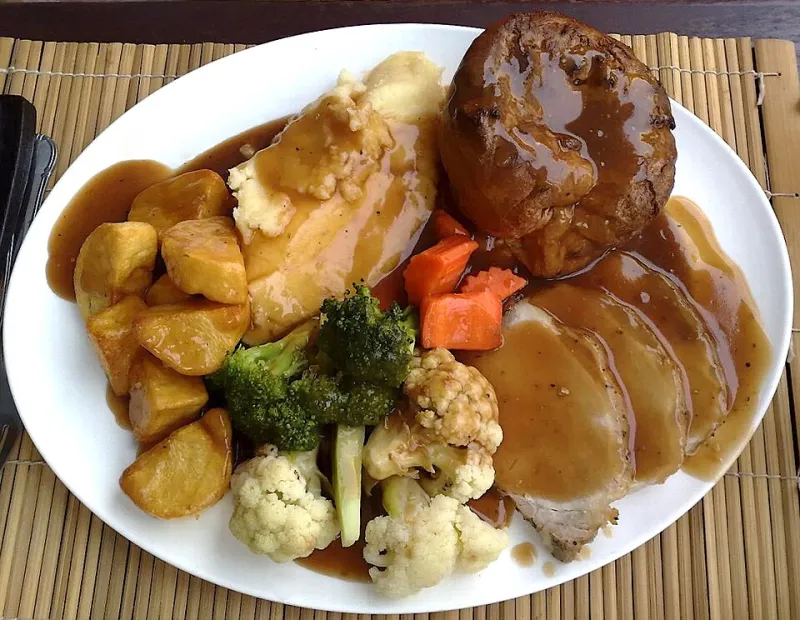
Five November Ingredients, Five Glasses Worth Opening
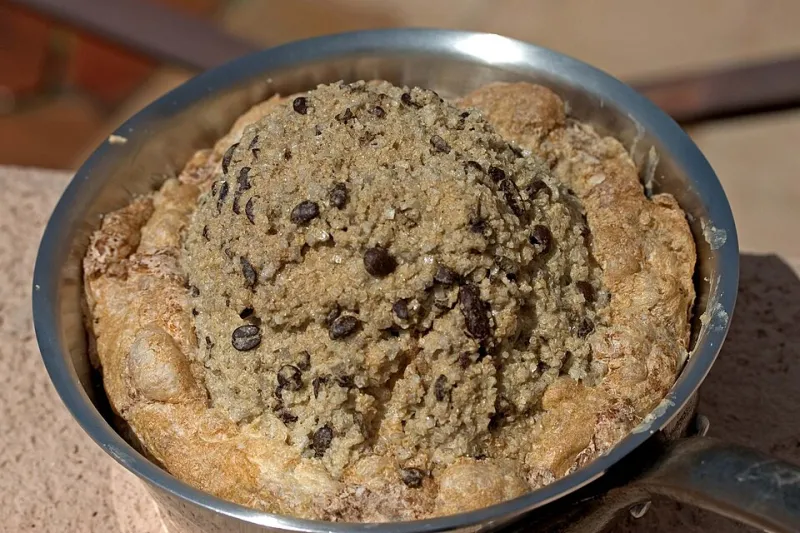
Photo: H. Alexander Talbot, CC BY 2.0, via Wikimedia Commons
There's a moment in early November when the British food calendar quietly turns. The tomatoes are finished, the courgettes are a distant memory, and the veg box starts arriving with things that want roasting rather than admiring. It is, quietly, the best month of the year to cook — and a very good month to open something interesting alongside it.
Pairing doesn't have to be a chemistry exam. Think of it as a conversation across the table: the plate says something, the glass answers, and as long as the answer is roughly right, everybody relaxes. Here are five ingredients carrying November in UK kitchens, a simple way to cook each, and the bottle we'd reach for.
Celeriac: the case for a white with texture
Cook it: Salt-bake a whole celeriac for a couple of hours, crack off the crust, then tear it into rough chunks and toss with brown butter, toasted hazelnuts, thyme and a squeeze of lemon. It's cheap, it's forgiving, and it makes a Wednesday feel deliberate.
Pour: Chablis, or a sec Vouvray, or a Mâcon-Villages if you want a bit more generosity.
Why it works: Celeriac is sweet, earthy and faintly celery-like, and the brown butter brings fat that coats the tongue. You need two things from the wine — acidity to reset the palate, and texture to match the creaminess. Chablis brings a chalky, saline edge that keeps the whole plate lifted; Chenin Blanc in Vouvray adds a quince-and-lanolin roundness that flatters the hazelnuts. Big, oaky Chardonnay tends to bulldoze it, and a very lean Muscadet can feel like it's shouting into a cushion.
Go rogue: A Jura savagnin, with its nutty, gently oxidative character, is a brilliant match for anything involving browned butter and nuts. Expect raised eyebrows and then empty glasses.
Beetroot: sweet earth, and why tannin is a trap
Cook it: Wrap beetroot in foil with cumin seeds and roast until a knife slides through. Serve warm with goat's curd, toasted seeds and a sharp vinaigrette. Or grate it raw with horseradish and lemon for something with more fight.
Pour: A cru Beaujolais — Fleurie or Morgon — or a light Pinot Noir, or a dry Provence rosé if you're eating outdoors in a coat.
Why it works: Beetroot is the rare vegetable that's genuinely sweet, with a soil-and-iron note underneath. Tannic reds — Cabernet Sauvignon, Malbec, anything built for a steak — will turn metallic against it and leave a bitter finish. Light, juicy tannin is what you want: enough grip to handle the earthy sweetness, not so much that it fights. Gamay's bright, peppery fruit is a natural fit, and a Chinon from the Loire has a similar earthy streak to the vegetable itself.
Venison: match the game note, not the weight
Cook it: Sear a loin hard and fast, rest it well, and finish the pan with juniper, redcurrant jelly and a splash of something red. Or braise a haunch low and slow with rosemary until it falls apart.
Pour: A Crozes-Hermitage Syrah, an English Pinot Noir from Kent or Sussex, or a Blaufränkisch from Austria.
Why it works: Venison is lean, iron-rich and faintly sweet — much more delicate than most people assume. The instinct is to grab the biggest red on the shelf, but jammy, high-alcohol wines flatten the meat and make it taste gamey in the wrong way. Syrah's black pepper note bridges beautifully to juniper, while cool-climate Pinot Noir has enough structure to carry the dish without burying it. Both options keep the plate tasting like itself.
Apples: dessert wines that behave
Cook it: A tarte tatin, properly caramelised, with crème fraîche on the side. Fewer than six ingredients, more than six compliments.
Pour: A Coteaux du Layon or demi-sec Vouvray, a Mosel Spätlese Riesling, or an English dessert wine from a grower in Sussex or Herefordshire.
Why it works: The old rule holds — the wine needs to be sweeter than the pudding — but sweetness alone isn't enough. You want acidity, otherwise the whole thing turns cloying by the third spoonful. Chenin Blanc tastes of quince and baked apple anyway, so it's less a pairing than a reunion. A sweet Riesling does the same job with more citrus and a lower alcohol level, which is welcome at the end of a long meal.
Kale: the bitter green that needs salt and acid
Cook it: Shred cavolo nero or curly kale finely, dress it with anchovy, lemon and olive oil, and add sourdough breadcrumbs fried in the anchovy oil. Leave it ten minutes to soften. Alternatively, roast the leaves with oil and salt until they shatter.
Pour: A fino or manzanilla sherry, an Albariño from Rías Baixas, or a Picpoul de Pinet.
Why it works: Bitter greens need salt, acid and a saline tang — and dry sherry is somehow all three at once. Bone-dry, faintly savoury and low in alcohol, a chilled manzanilla is one of the most underrated food wines in Britain and it loves anything with anchovy. If sherry still feels like a step too far, Albariño brings peach, salinity and a bracing finish. What you don't want is anything heavily oaked or buttery; it smothers the bitterness rather than answering it.
How to build your own pairing
Three questions, no spreadsheets. First, how heavy is the plate? Match it — a delicate dish and a fragile wine, a robust dish and something with shoulders. Second, what's the sauce doing? Sauce usually matters more than the protein: a red wine reduction points to red, a cream-and-lemon situation points to white. Third, is there sweetness or bitterness? Sweet food needs sweet wine, bitter food wants salt and acid.
Then taste, adjust, and don't apologise. A pairing is a suggestion, not a verdict, and the best one is usually the bottle you actually wanted to open.
That's the spirit we cook in: seasonal plates, thoughtful wines, and a table that stays long after the plates are cleared. Come and test a few of these against our November menu — or take the list to your local wine shop and argue with it. Either way, you win.