If You Wouldn't Finish the Glass, Don't Finish the Pan
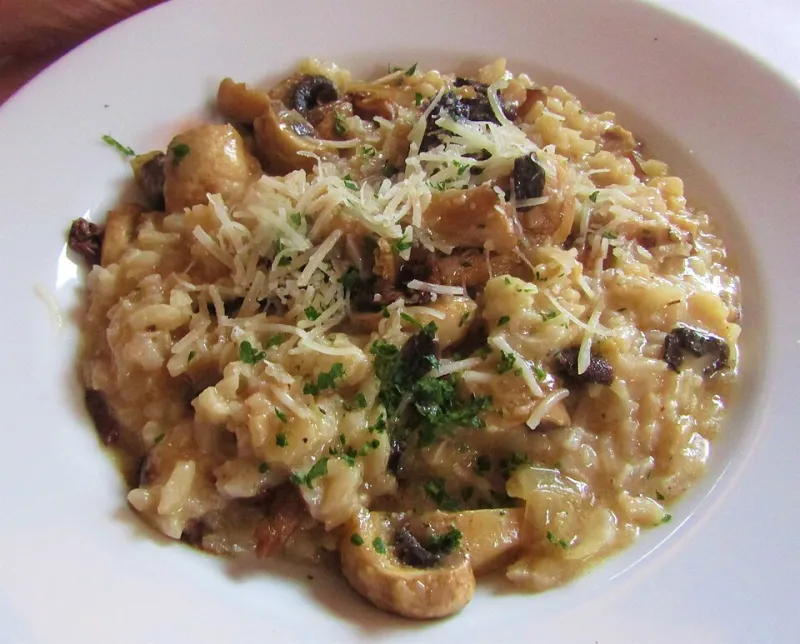
Photo: Kolforn (Kolforn) I'd appreciate if you could mail me ([email protected]) if you want to use this picture out of the Wikimedia project scope. This file is licensed under the Creative Commons Attribution-Share Alike 4.0 International license. Yo
There is a special kind of sadness in a kitchen that smells of wine and tastes of nothing. It happens when someone pours a suspicious leftover into a pan, reduces it to a dark smear and calls it dinner. Wine is an ingredient, but it is not a bin. If you would not finish the glass, do not finish the pan. That is the whole argument, really. The rest is detail.
The Bottle Is an Ingredient, Not a Bin
Cooking wine is not a separate category. It is wine. The stuff sold as cooking wine in supermarkets is often salted, sweetened or simply bad, and it tastes like it. The half-bottle that has been open on the sideboard since Sunday is not a bargain; it is a punishment. Oxidised wine has lost the fruit and acidity that made it useful. It will make your risotto taste tired. A good rule is simple: if you would not pour it for a friend, do not pour it into a sauce. That does not mean you need to cook with something expensive. It means you need to cook with something alive.
Four Dishes, Four Glugs
Winter cooking is full of moments that want wine. A mushroom risotto, a slow braise, a pot of onions on the hob, a pan of pears in the oven. Each one asks for something slightly different, but the principle is the same: the wine should taste like the wine you want to drink. Here are four dishes and the bottles that earn their place.
Risotto: A Dry White With Nerve
Mushroom risotto needs acidity. The rice is starchy, the mushrooms are earthy, the butter and cheese are rich. A dry, unoaked white with a bit of nerve — Muscadet, Picpoul de Pinet, a dry Riesling — will lift the whole thing. Add a glass to the pan after the rice has toasted, let it bubble away, then carry on with stock. Taste the wine first. If it is flat and flabby, the risotto will be flat and flabby. If it is sharp and saline, the risotto will taste of mushrooms and butter and something brighter. Keep the rest of the bottle cold and drink it with the risotto. That is the point.
Short Ribs: Something You'd Actually Pour
A winter braise wants a red with enough fruit and acidity to survive a long cook. But it does not need to be expensive. A Côtes du Rhône, a Barbera, a young Bordeaux or a juicy Portuguese red will all do the job. Avoid anything with too much oak; it will turn bitter as it reduces. Pour a glass for the cook, then a glass into the pot. Let it reduce with the stock and the meat. The sauce should taste of wine, not of wine gum. If the braise tastes flat at the end, add a splash of fresh wine rather than more stock. Acidity is the thing that makes a long-cooked dish taste alive.
Onion Soup: Acid and Patience
French onion soup is a lesson in patience. The onions need a long, slow cook until they are dark and sweet. The wine needs to be dry and sharp: a dry white, a dry sherry, or a light red. Add it after the onions have caramelised and let it reduce until the pan is almost dry. Then add stock. The wine is there to cut the sweetness, not to drown it. A dry Amontillado sherry is particularly good here: it brings a savoury, nutty note that makes the soup taste deeper. Use a wine you would sip. If you would not sip it, do not simmer it.
Poached Pears: The Sweet Edge
Poached pears are the easiest winter pudding in the book, and the easiest place to waste a bottle. You want a wine with fruit and a little sweetness, not a tannic monster. A light red — Gamay, Pinot Noir — will turn the pears a deep, stained red and taste of cherries. An off-dry Riesling will keep them pale and taste of honey and citrus. Add sugar sparingly; the wine is already doing some of the work. Taste the poaching liquid as it reduces. If it tastes sharp, add a little more sugar. If it tastes flat, add a squeeze of lemon. The wine should be part of the pudding, not a background note.
Habits Worth Leaving Behind
Do not cook with wine you would not drink. Do not keep a special bottle of cooking wine that has been open for a month. Do not pour the last inch of a good bottle into a pan just because it is there — drink it, or freeze it for the next braise. Do not reduce wine over a furious heat and then wonder why it tastes bitter. Do not forget to taste the pan before serving. And do not treat the bottle as an afterthought. The wine you cook with is the wine you eat. Make it count.